Strategy
Why does early game defense beat an opening rush in Zone77?
Why early game defense beats the opening rush
Early game defense wins because a safe town keeps its workers, food supply and army intact while it grows. Use beginner protection to build a stronger base, train soldiers only when food allows, and make attacks with information rather than impulse. A steady town has more useful choices when the season becomes competitive.
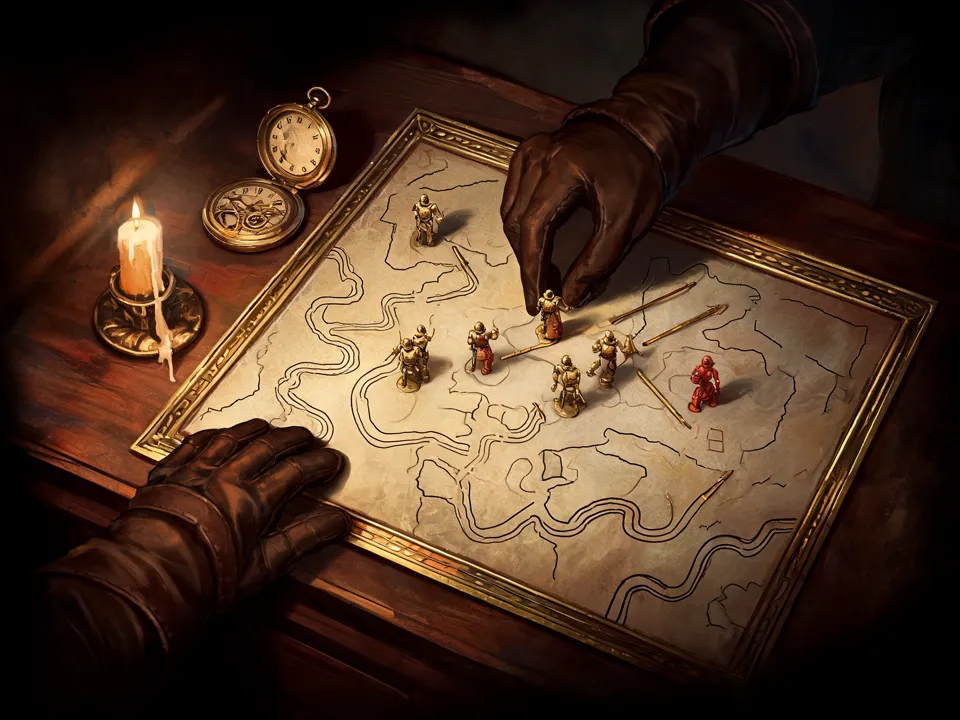
Growth gives defense lasting value
An early rush spends attention on soldiers before the town can reliably support them. Workers and soldiers both eat Food, so training an army without enough farms can turn pressure into a shortage. If Food runs out, hungry soldiers leave the town. That makes food planning part of defense, not a separate chore.
A safer opening improves fields, storage and the Engine Hall. Better fields produce more resources, storage keeps more of what you gather, and the Engine Hall provides room for more workers while making building faster. These upgrades do not create a dramatic moment, but they make every later choice easier.
This is the central trade-off: an attacker may seek an immediate advantage, while a growing town builds options. It can support soldiers, replace losses and keep construction moving. In a season where everyone starts together, that dependable foundation is often more useful than a fragile early lead.
See also: building your town.
Use beginner protection as building time
New player protection is valuable because it gives a new town room to establish itself before other players can attack it. The best use of that safety is not to wait passively. Improve resource fields, expand storage, watch the Food rate and give the Engine Hall enough support for steady construction.
Keep the protection rule in mind: attacking another player ends your own protection. That makes an early attack a serious choice, even if the target looks tempting. A raid may offer a short-term gain, but giving up safety can expose a town before its economy and defenses are ready.
A calm opening also leaves room to learn reports, manage workers and understand the map. Growth continues while you are offline, so a plan that remains stable between visits is more valuable than one that depends on constant reactions.
See also: how protection works in Zone77.
Attack only when the position is clear
Defense does not mean ignoring the outside world. Spies can report a town's resources, soldiers and buildings, but a report is only a snapshot and may be out of date. Treat scouting as information for a decision, not as a guarantee that the situation will remain unchanged.
In battle, the stronger side wins when attack power meets defense power. A failed attack does not cost the whole army, and a lost defense does not remove every defender. Still, a close fight is a standoff: attackers pull back without taking resources or damaging the Wall. That makes an uncertain attack a poor substitute for preparation.
Alliances make a defensive opening stronger. Members can help one another with soldiers, trade resources through the Market and earn points that give boosts to every member. A town that grows safely while building dependable support can contribute more when the race for the Great Clock becomes the season's main concern.
See also: how battles work in Zone77.
Questions and answers
Should a new player train soldiers immediately?
Train soldiers only when the town can feed them. Workers and soldiers consume Food every hour, and hungry soldiers leave when Food runs out. Build farms early, watch the Food rate and let the town's economy support the army instead of letting the army weaken the town.
Does defensive play mean never attacking?
No. Defensive play means choosing attacks from a position of information and stability. Use reports carefully because they can be out of date, and remember that attacking another player ends beginner protection. A measured attack can support growth, while an impulsive one can remove a valuable safety net.